Key Takeaways
- A stye is a red, tender bump that forms from a blocked, infected oil gland along your eyelid.
- Styes don’t spread through everyday contact, though bacteria can transfer through shared towels, pillowcases, or makeup.
- Warm compresses a few times a day can help a stye drain and feel better.
- See an eye doctor if a stye lasts past 48 hours, becomes very painful, or keeps coming back.
Styes Aren’t Directly Contagious
Developing a tender red bump (a stye) on your eyelid can catch you off guard, and you might be worried that your friends and family could catch it, too. Styes aren’t directly contagious, though the bacteria behind them can transfer between people through shared towels, pillowcases, or makeup, so basic hygiene still matters.
If you’ve developed a stye, our team at Stoney Creek Optometry is here to help. We can walk you through your options and show you simple, at-home steps for relief.
What a Stye Actually Is
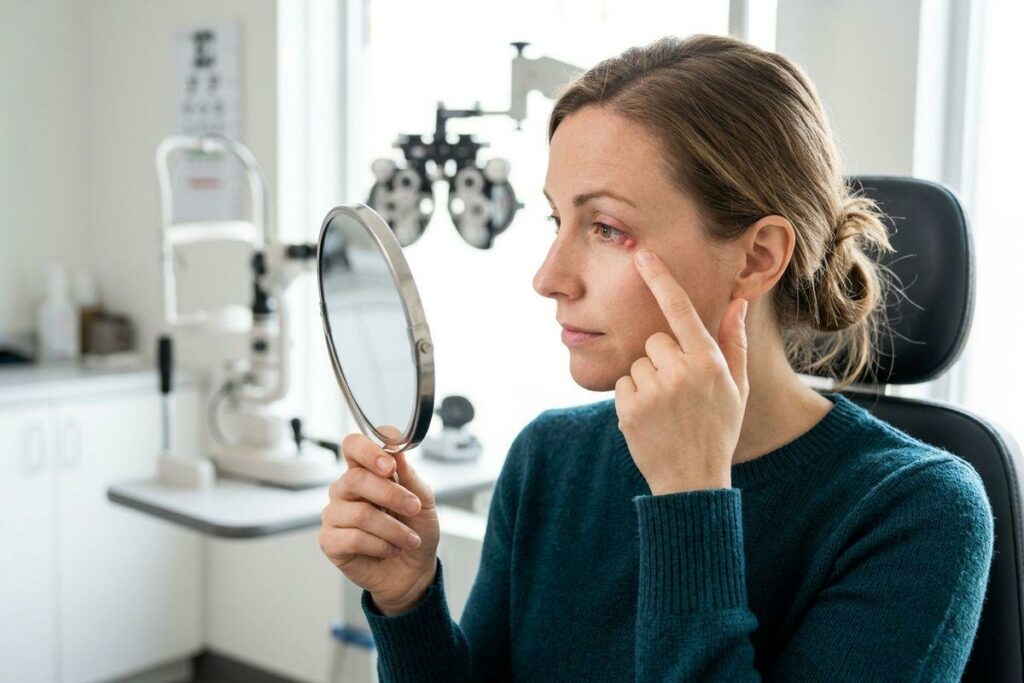
You wake up, look in the mirror, and see a sore red bump along your eyelid. That tender lump is a stye (also known as a hordeolum), and it happens when one of the tiny oil glands in your eyelid gets blocked and infected. Styes can feel warm, look swollen, and make blinking uncomfortable for a few days.
Internal & External Styes
Most styes show up in one of two spots. An external stye forms at the base of an eyelash and is easily visible. An internal stye forms inside the eyelid, where the bump is harder to see.
Are Styes Contagious to Others?
A stye isn’t something that you can catch from a handshake, a hug, or sitting next to someone at dinner.
In fact, styes aren’t really contagious, though the bacteria that causes them can transfer between people in small amounts, so basic hygiene still matters.
You don’t need to keep your distance from family, coworkers, or friends while a stye heals. The main thing to watch is direct contact with the fluid or bacteria from the bump. In some cases, the symptoms of a stye can overlap with pink eye, so it’s worth confirming the cause of your symptoms.
How Bacteria Might Spread
The bacteria that live around a stye can move from one place to another through shared items. Think towels, pillowcases, or eye makeup. Touching your eye with unwashed hands can also move bacteria from one eye to the other, so a quick hand wash can go a long way.
Common Causes & Symptoms of Styes
What Leads to a Stye
Styes often have everyday causes. For instance, poor eyelid hygiene gives oil and bacteria a chance to build up. Old or shared eye makeup can carry bacteria straight to your lash line, and rubbing your eyes with dirty hands can introduce new bacteria to your eyes.
Signs to Watch For
Common symptoms of styes include:
- A swollen bump with crusting along the lashes
- Soreness, itchiness, or light sensitivity
- Watery eyes or a gritty feeling, like something is stuck
In many cases, symptoms remain mild and fade as the stye drains on its own.
How to Prevent & Care for a Stye at Home
Simple Prevention Habits
A few small habits can keep styes from popping up in the first place. Wash your hands before you touch your face, take your makeup off before bed, and keep your own towels and makeup to yourself instead of sharing.
At-Home Relief Steps
If a stye does show up, gentle care at home can help it settle. Try these steps:
- Hold a warm compress on the area a few times a day to help it drain
- Clean the eyelid area gently with mild soap and water
- Leave it alone, and never squeeze or pop it
Popping a stye can push bacteria deeper and slow down healing, so be patient and let your stye resolve on its own.
When to See an Eye Doctor in Stoney Creek
Most styes clear up within a week with warm compresses and good hygiene. Sometimes, though, a stye needs a closer look from your eye doctor. Reach out to us if you notice any of these.
- No improvement after 48 hours of home care
- Severe swelling, strong pain, or changes in your vision
- Styes that keep coming back in the same spot
How Our Team Can Help
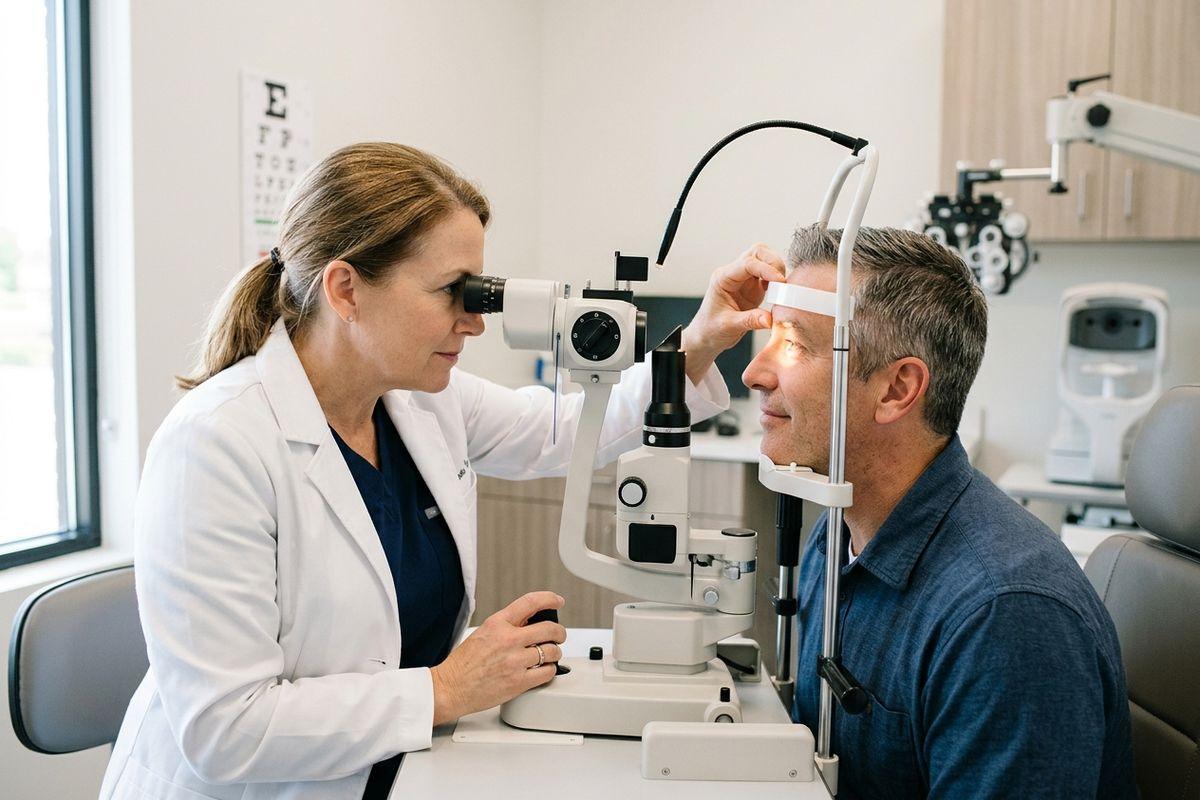
A visit starts with a simple assessment of your symptoms and a plan that fits what you’re dealing with. Depending on what we find, care might include antibiotic drops or ointment, or a minor drainage procedure for a stubborn bump. For a sudden change or a painful flare-up, emergency eye care is available too.
Book Your Visit Today
A stye is rarely serious, but you don’t have to sort it out alone. Our team at Stoney Creek Optometry has cared for families in the area since 1982, and we’re ready to help you feel comfortable again. Call today to book your appointment and get the right care for your eyes.